Earth
Planetary systems, geology, atmosphere, oceans, climate and deep time.
Six pillars, wide enough to hold science, culture and philosophy without collapsing into a single category.
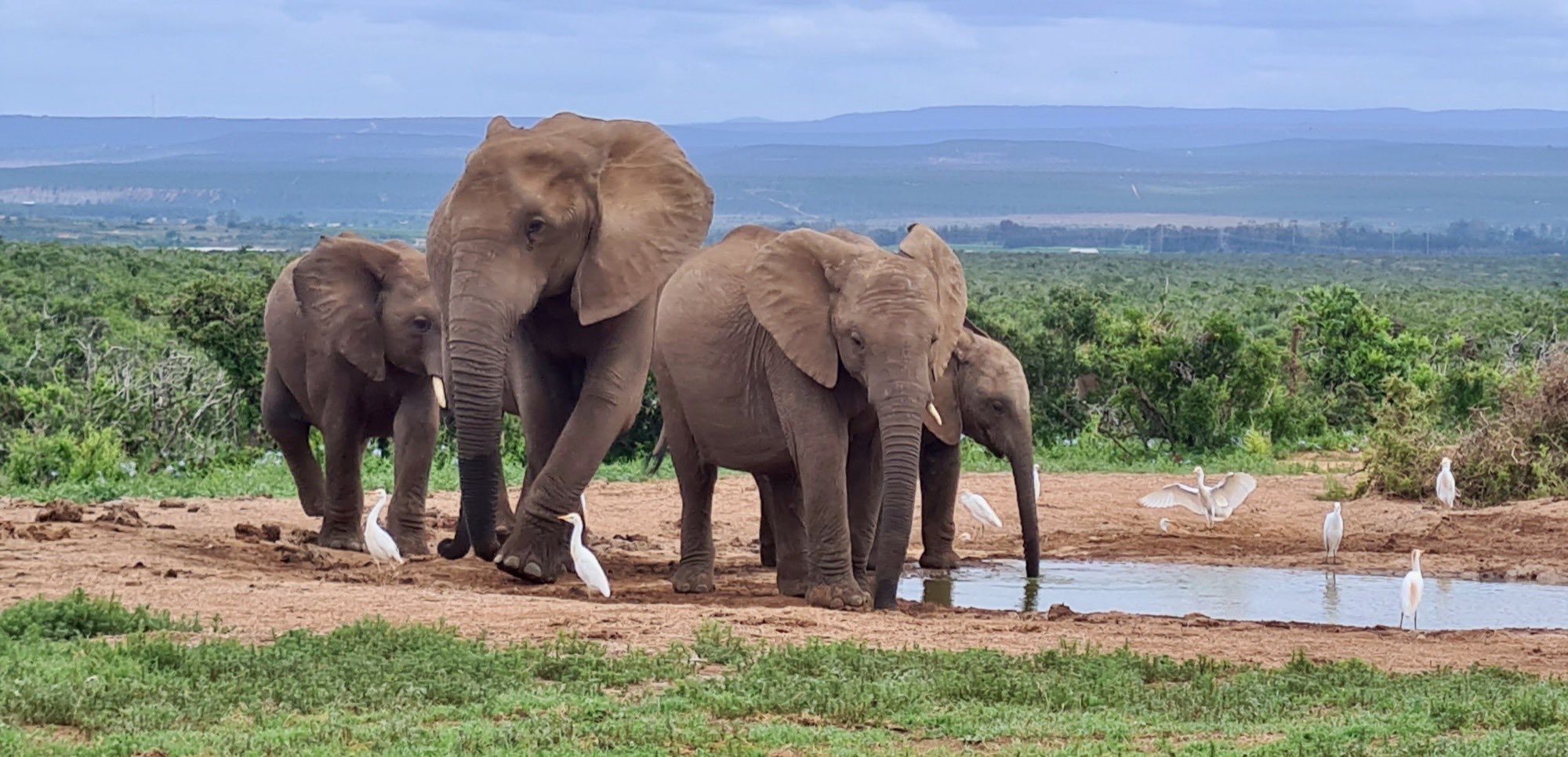
Photo by Bernard Dupont / CC BY-SA 2.0
Planetary systems, geology, atmosphere, oceans, climate and deep time.
Species, ecosystems, evolution, extinction, symbiosis and biodiversity.
Human cultures, cities, food, energy, technology, conflict, cooperation and our relationship with place.
Philosophy, civilisation, identity, space and what Earth looks like when viewed from outside our everyday assumptions.
Restoration, new technologies, regenerative systems, space exploration and credible alternative futures.
People doing the actual work: researchers, indigenous custodians, conservationists, farmers, engineers, communities and explorers.
Start with real places, species, people, systems and evidence. Distinguish evidence, hypothesis, opinion and speculation, and cite primary or high-quality sources wherever possible.
Humans are not set against nature here. We are biological inhabitants of the same system. Problems matter, but helplessness is not the product: understanding should connect to things people can actually do.
A small amount of exceptional work is more valuable than a content calendar full of filler.
Humans have always tried to see home from a distance. Sometimes we send a camera. Sometimes we imagine an observer.
This strand sits inside Perspective and gathers the many attempts to look back at Earth from somewhere else: the Apollo earthrise photographs, the pale blue dot, science fiction, indigenous cosmology, and the long record of people who reported being told, by something they could not explain, to look after this place.
That last body of material is treated as what it verifiably is: testimony, dated and sourced, about human anxiety and human values. Not evidence of contact. The interesting finding is not what anyone met. It is that the message tracks each decade's fear, which makes it a mirror rather than a memo, and a serious question about our own maturity as a civilisation.